NHL · October 5, 2026
Lightning Victory Exposes Flyers Transition Flaws
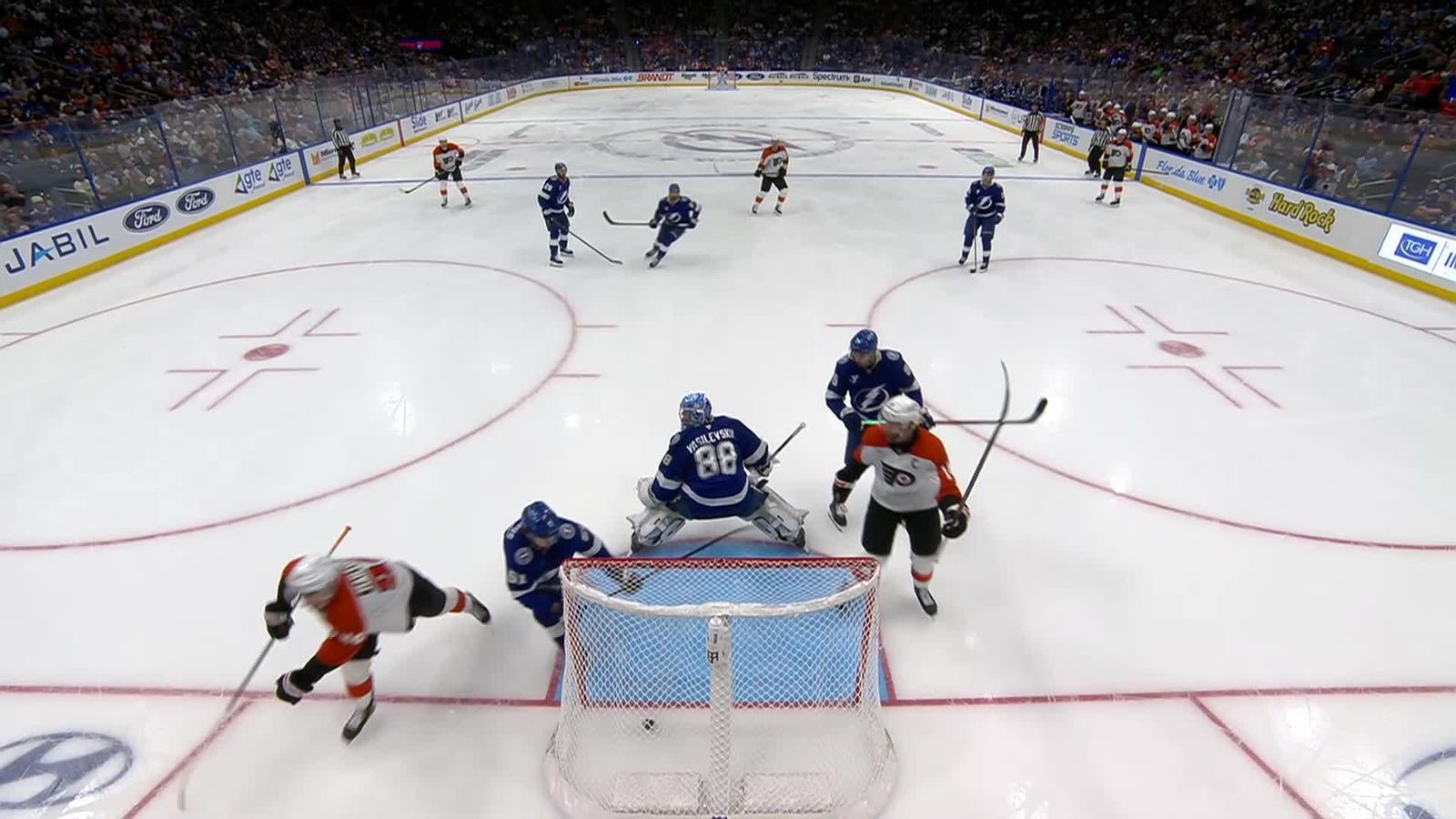
Tampa Bay’s decisive four-to-one triumph over Philadelphia was not merely a win but a thorough dismantling of the visiting roster’s shaky foundations. While the final scoreline might suggest a comfortable evening for the hosts, the reality was a systematic exposure of Philadelphia’s inability to handle structured defensive pressure. The game unfolded as a masterclass in controlled aggression from the Lightning, rendering the Flyers’ chaotic transition efforts largely ineffective.
Before puck drop, the analytical narrative rested heavily on the idea that the Flyers could exploit their raw speed through players like Michkov and Zegras to overwhelm the Lightning’s elite netminder, Andrei Vasilevskiy. There was a genuine concern that early goals against Vasilevskiy would force him into a high-volume workload, potentially cracking under the pressure of Philadelphia’s unpredictable offensive flurry. This contrarian view suggested that Tampa’s reportedly porous penalty kill could be the specific vulnerability that allowed the visitors to steal points on the road.
In the end, that pre-game worry proved misplaced. Vasilevskiy delivered a performance that validated the ‘elite goaltending floor’ thesis, standing tall when it mattered and shutting down the very speed-based attacks that analysts feared. The Lightning’s disciplined structure effectively neutralized Philadelphia’s transition game, controlling possession and limiting quality chances for the visitors. By winning by three clear goals, Tampa Bay proved that the model’s conservative edge was actually an understatement, confirming that structured defense and elite goaltending still trump chaotic speed in the modern NHL.
The result underscores a harsh truth for Philadelphia: speed without structure is easily contained by a disciplined opponent. The pre-game case correctly identified Vasilevskiy as the pivotal factor, even if it underestimated how completely he would stifle the Flyers’ offense. The three-goal margin indicates that the home team’s quality was significantly higher than the narrow probability gap suggested, leaving Philadelphia with little more than a reminder that they are not yet ready to compete with Tampa’s systematic execution.
Highlights
Images and videos courtesy ESPN