MLB · September 11, 2026
Padres Outlast Giants in Postseason Picture thriller
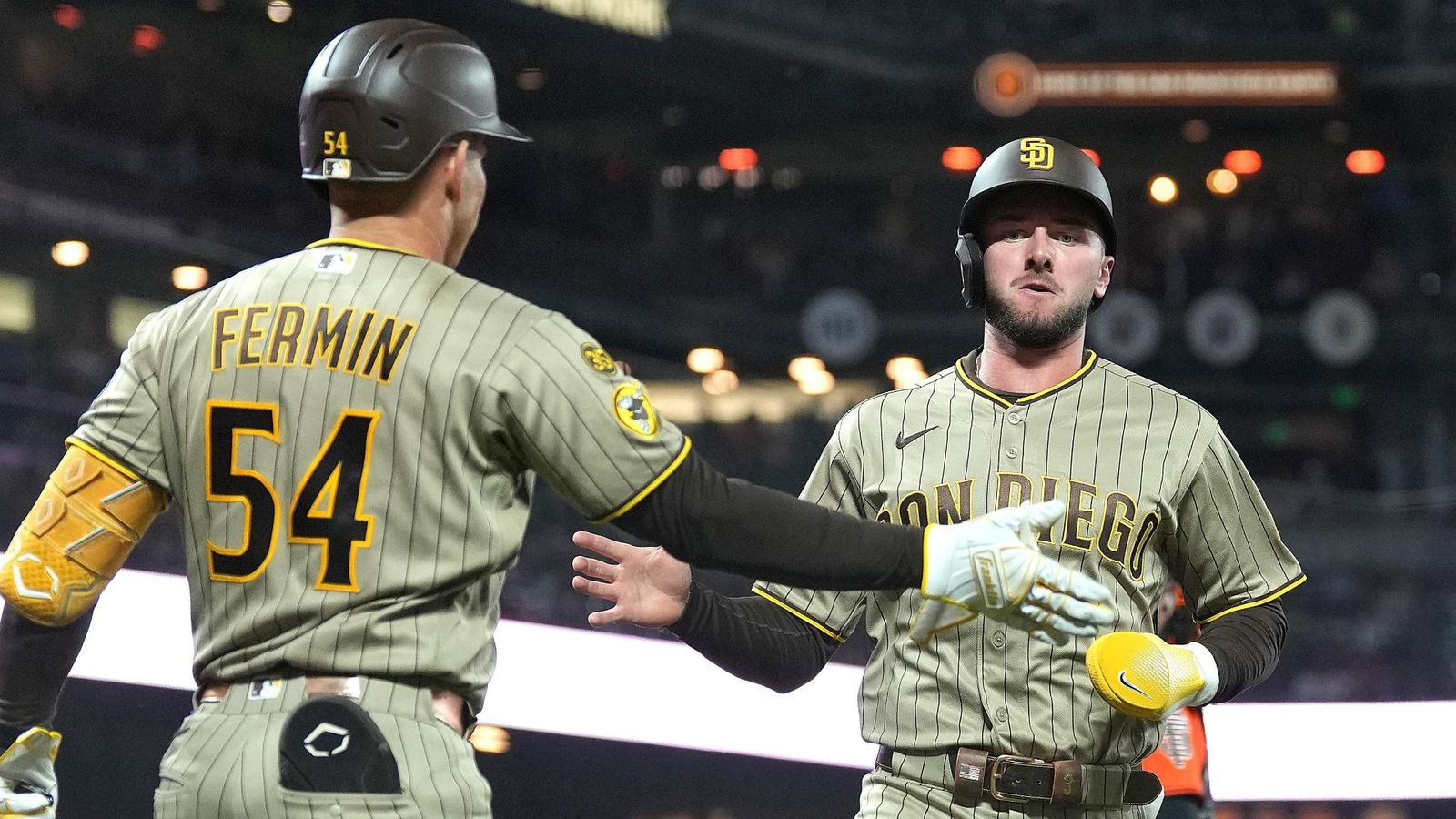
The San Diego Padres defeated the San Francisco Giants 7-5 in a contest that shattered early expectations and highlighted the brutal reality of regular-season variance. While the final score tells only part of the story, the narrative arc reveals a complete collapse of the pre-game analytical consensus, as the Padres capitalized on opportunistic pitching and superior motivation to dismantle a Giants squad that entered the day as the statistical favorite.
Before the first pitch, the forecast strongly favored San Francisco, banking heavily on the idea that Giants starter Anthony Molina would continue his streak of remarkable luck. Analysts pointed to his deceptively low earned run average and assumed his peripherals would hold, predicting the Padres’ elite bullpen would eventually falter under pressure or suffer from bad breaks. The prevailing wisdom suggested Molina’s positive luck on batted balls was sustainable, framing the Giants as the safer, more logical play.
That logic evaporated in the third inning. Molina failed to escape the regression trap, surrendering seven runs in just three innings as his performance aligned with his underlying metrics rather than his surface stats. Conversely, Robbie Ray outperformed his own troubled numbers, allowing only three earned runs over five effective innings. The Padres’ offense, fueled by the tangible stakes of holding a half-game Wild Card lead while the Giants were already eliminated, responded with urgency and power, proving that intangible factors often outweigh pre-game probability models in high-leverage moments.
Ultimately, the prediction missed the mark by overvaluing small-sample noise and underestimating the motivational gap between the two clubs. The pre-game case ignored the context of elimination for San Francisco and the desperation of San Diego, both of which drove the offensive explosion that secured the win for the Padres. It was a stark reminder that in baseball, even the most structurally sound forecasts can be undone by a single underperforming starter and a team playing for its life.
Game clip
Images and videos courtesy ESPN