MLB · August 30, 2026
Astros Exploit Mets Bullpen Fragility for Comfortable Road Win
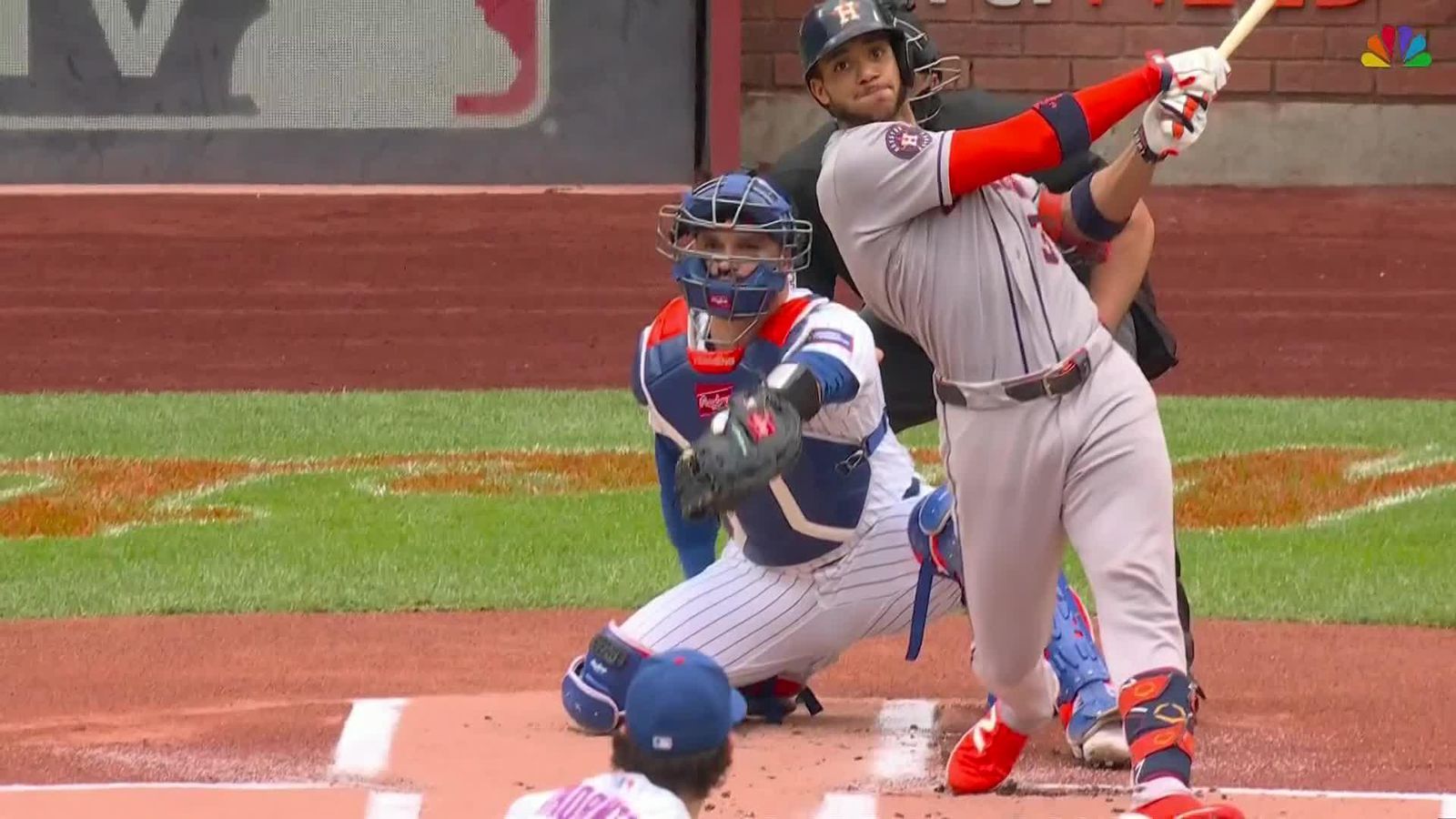
The Houston Astros secured a decisive six-to-three victory over the New York Mets, validating a high-volatility forecast that prioritized offensive firepower over perceived defensive stability. While the final score might suggest a routine affair, the game served as a stark reminder that pre-game narratives often lag behind the chaotic reality of in-game personnel changes. The Astros capitalized on the Mets' crumbling late-inning defense, turning a competitive contest into a commanding win that dismantled the assumptions made about New York's relief corps.
Prior to first pitch, the analytical case for the Mets rested heavily on the supposed stability of their bullpen and the expected return of star pitcher Juan Soto, alongside a predicted starting match-up involving McLean. This position assumed a controlled environment where the home team’s depth would outlast Houston’s inconsistent rotation. The forecast correctly identified Yordan Alvarez as a key threat and noted the Astros’ reliance on their patchwork pitching to hold for five innings, but it dangerously underestimated the impact of off-field injuries and lineup accuracy.
The prediction ultimately failed because it ignored critical roster realities, specifically the absence of closer Devin Williams due to a shoulder strain and the subsequent reliance on unproven relievers. Furthermore, the core premise regarding the starting pitchers was factually flawed, as the Mets actually turned to rookie Zac Thornton rather than the predicted McLean. While Thornton managed to keep Houston’s lefty-susceptible lineup in check for five innings, the Mets’ bullpen collapsed in the seventh when Jonathan Pintaro surrendered a go-ahead two-run home run to LaMonte Wade Jr., followed by a bases-loaded inning of chaos that saw the Astros rack up two more runs on an error, effectively ending any hope of a comeback.
In retrospect, the pre-game analysis missed the mark by assigning a zero-meltdown score to a bullpen that was already compromised by injury and lack of experience. The forecast correctly read the threat of Alvarez and the volatility of Houston’s early pitching, but it failed to adjust for the specific nature of the Mets' defensive vulnerabilities in the late innings. The Astros did not just win because their pitching held up; they won because the Mets’ late-inning strategy unraveled under pressure, proving that reliance on idealized roster stability is a risky foundation for a winning position.
Highlights
Images and videos courtesy ESPN