NFL · November 8, 2026
Lions Defend Victory in Low-Scoring Struggle Against Dolphins
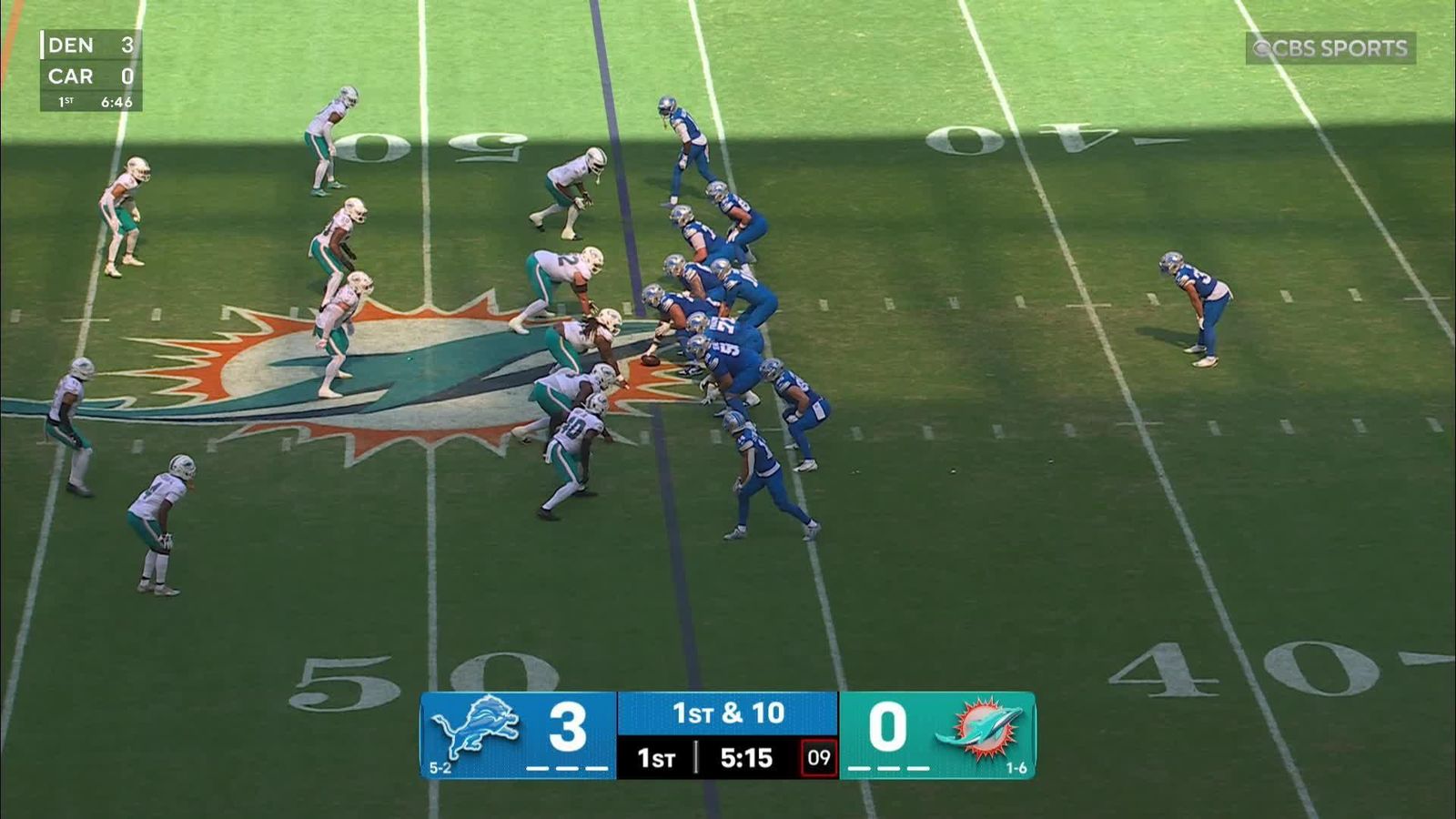
The Detroit Lions secured a 19-9 victory over the Miami Dolphins, a result that proved the pre-game forecast correctly identified the winner while accurately anticipating a tighter contest than many expected. The prediction landed on the right side of the game but rightly signaled that the Lions would not dominate with the ease suggested by the seven-point spread, instead delivering a controlled, low-scoring win where the margin was less about offensive firepower and more about defensive execution and special teams reliability.
Going into the game, the analytical case centered on a critical matchup mismatch: Detroit’s elite pass rush facing a Miami offensive line that had the second-worst grade in the league that season. This was compounded by the Dolphins’ missing pieces, including star running back De’Von Achane who was on injured reserve, and the lingering concerns around Tua Tagovailoa’s mobility and health. The forecast correctly read that while the Lions possessed a top-tier offense, the Dolphins’ vulnerability on the defensive side would force the game into a physical, defensive battle rather than a shootout.
What played out on the field validated this specific reasoning. The Lions’ offense, usually a juggernaut averaging nearly thirty points a game, was held underwhelmingly to 271 total yards, with Jared Goff completing just 17 passes for no touchdowns. The Dolphins’ passing attack was similarly stifled as Tagovailoa faced constant pressure, leading to a significant turnover and limited yardage. The decisive difference was not the touchdown margin but the reliability of Detroit’s special teams and defense. Jake Bates converted all four field goals, and the Dolphins, punished by 11 penalties and struggling to convert in the red zone, simply could not keep pace with a Lions team that played methodical, mistake-free football.
The outcome confirms that the forecast’s lower confidence level was well-calibrated. It was not a blowout because the Lions’ offense did not perform at its peak efficiency, yet it was not a close call because the Dolphins’ structural weaknesses in pass protection and their lack of a full healthy roster prevented them from staging a comeback. The prediction correctly sided with Detroit’s superior overall performance, capturing the nuance that while the Lions would win, the path would be paved by defensive stops and penalty management rather than the high-powered scoring that a larger point spread might have implied.
Game clips
Images and videos courtesy ESPN