MLB · September 1, 2026
Rockies topple Orioles as short-rest Bradish falters at Coors Field
Colorado stunned the baseball world by defeating Baltimore 4-2, closing the book on a forecast that had heavily favored the visiting Orioles. The final score reflected a home crowd energized by Coors Field’s notorious altitude, but the true narrative was written in the fatigue logged by Baltimore’s starting pitcher. What began as a clash of offenses quickly devolved into a cautionary tale about roster management and scheduling quirksthat directly upended the analytical model's expectations.
The pre-game case built a strong position on Baltimore’s superiority, assuming their pitching depth would overwhelm the Rockies in a high-scoring environment. Analysts pointed to the Orioles’ overall talent and the likelihood of an offensive shootout, predicting that Baltimore would capitalize on early runs to secure victory. This view relied on the standard metric of home-field advantage, which often inflates scoring for the home team, yet it assumed both clubs were operating at full operational capacity without hidden physical debts.
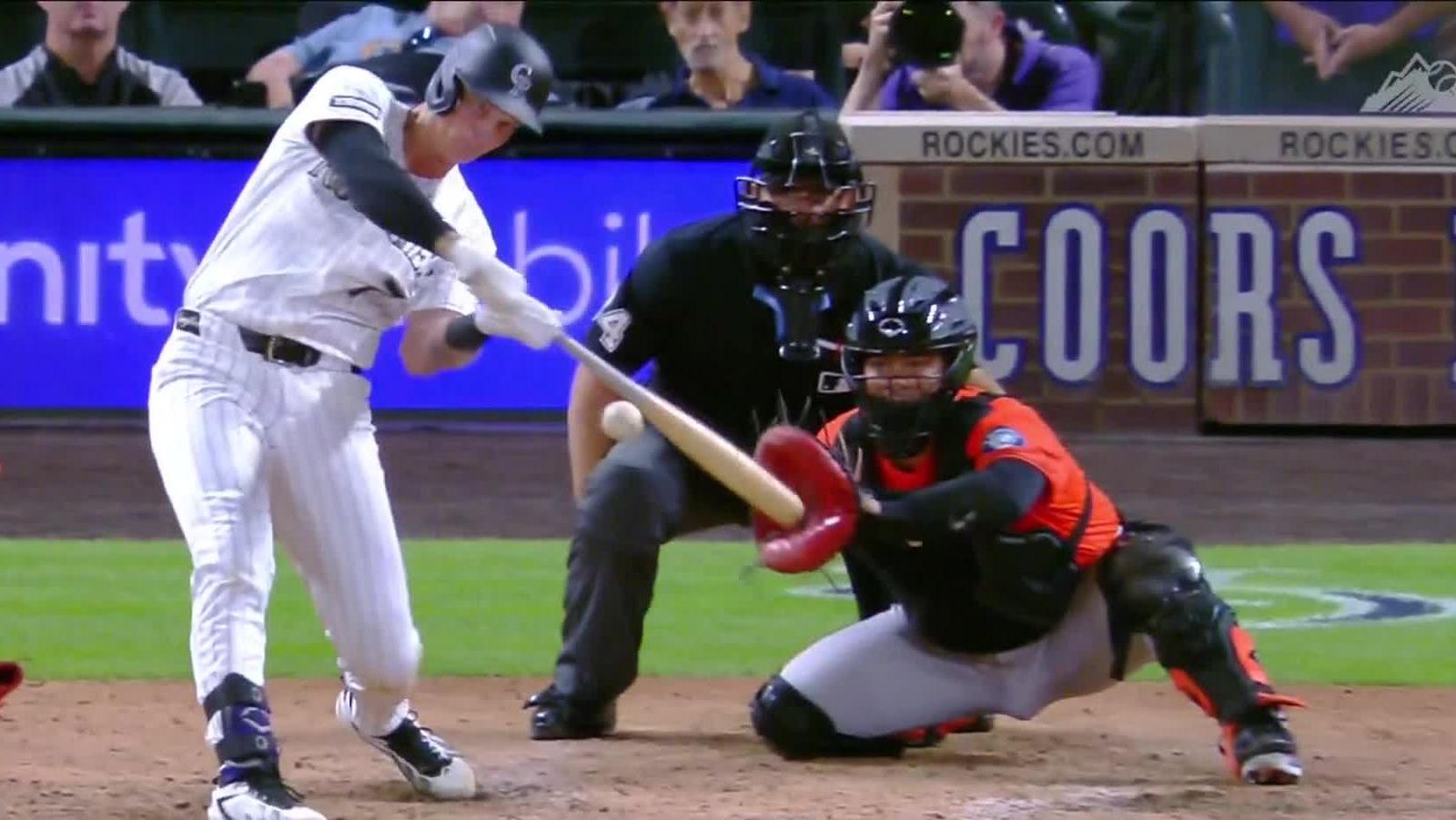
That assumption proved fatal, as Kyle Bradish arrived at the mound carrying the heavy legs of a relief appearance just four days prior. Rather than settling into a dominant rhythm, Bradish struggled to find his spots, limited to just ninety-five pitches over five innings due to the recent strain on his arm. The forecast missed this critical scheduling conflict, treating Bradish as a fresh ace when he was essentially a tired reliever. This fatigue forced the Orioles to gamble on rookie Luis De León in a tied seventh inning, a move that backfired spectacularly when De León surrendered a go-ahead two-run homer to TJ Rumfield. The Rockies did not just win; they exposed the fragility of predictions that ignore the gritty realities of pitch counts and short rest, proving that even superior rosters can be toppled by the unseen toll of a crowded schedule.
Game clips
Images and videos courtesy ESPN